
.svg)
.svg)
.svg)

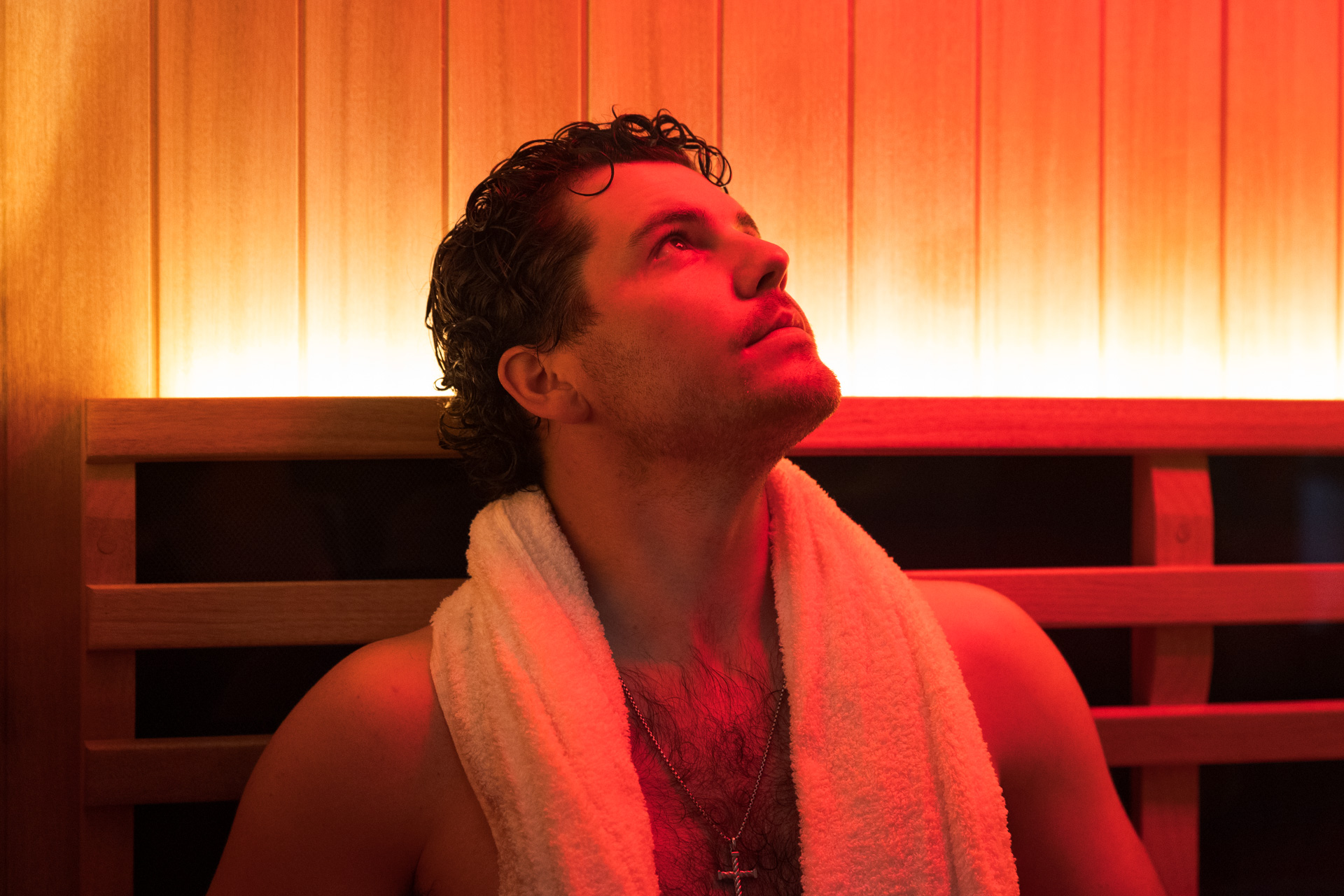
Can Sauna Help With Stress and Anxiety? What It Actually Does to Your Body
When people ask whether sauna can help with stress or anxiety, they are usually asking something deeper.
Can this help me feel less on edge? Can it quiet my mind? Can I feel more like myself again?
Sauna is not a cure for stress or anxiety, and it is not a replacement for therapy, medical care, or support from a qualified professional. But it can be a useful tool for helping your body regulate stress, release physical tension, and recover from the constant stimulation of everyday life.
For many people, the benefit is simple: sauna creates space for the body to shift out of high alert and into a more settled state.
Stress Can Keep the Body Stuck in “On” Mode
Stress is your body’s natural response to a challenge. When something feels demanding, uncertain, or overwhelming, your sympathetic nervous system activates. This is often called the fight-or-flight response.
Your heart rate may rise. Your muscles may tighten. Your thoughts may speed up. Your body becomes more alert because it is preparing to respond.
That response is useful when you need it. The problem is when it does not switch off.
Anxiety can look different for everyone, but it often includes a persistent sense of alertness or worry. Your mind may feel busy, your body may feel tense, and it can become difficult to fully rest, even when there is no immediate threat in front of you.
For people living in a high-stimulation world, the body can spend a lot of time in that activated state.
What Sauna Does to the Body
A sauna session creates a controlled form of heat exposure. As your body warms up, your heart rate increases, circulation rises, and you begin to sweat.
This is a physical stressor, but it is a temporary and manageable one when used appropriately.
During a sauna session, your body is working to cool itself and adapt to the heat. After the session, many people experience a noticeable shift. Muscles feel less tense. Thoughts feel quieter. The body begins to settle.
That post-sauna feeling is not just about taking time away from your day. It is connected to how your nervous system responds to stress and recovery.
The Nervous System Rebound Effect
One reason sauna can feel so calming is the contrast between controlled stress and recovery.
During the sauna, your body is activated by the heat. Your heart rate rises and your system responds to the challenge.
Afterward, your body has the opportunity to move toward parasympathetic activity, often called the rest-and-recovery state. This is the part of your nervous system that supports relaxation, digestion, sleep, and recovery.
The result can be a noticeable release of physical tension and mental agitation. Many people describe it as feeling calmer, lighter, or reset.
The goal is not to avoid all stress. It is to help your body become better at returning to baseline after stress occurs.
Why Sauna Can Feel Like Mental Relief
A sauna session also creates something many people do not get enough of: uninterrupted stillness.
There is no need to multitask. No notifications to answer. No pressure to keep moving from one thing to the next.
The heat gives your body a single experience to focus on. For some people, that physical sensation helps pull attention away from racing thoughts. The steady warmth and quiet environment can make it easier to slow down mentally.
Sweating and heat can also create a sense of release. While every person’s experience is different, many people leave a sauna feeling as though they have set down some of the tension they were carrying.
What Happens in the Brain
Sauna use is associated with changes that can support mood and relaxation. Heat exposure may encourage the release of endorphins, which are chemicals connected to feelings of comfort and well-being.
Over time, repeated, controlled heat exposure may also support healthier stress hormone regulation and better balance within the autonomic nervous system.
That does not mean sauna makes stress disappear. It means your body may become more practiced at moving through stress and recovering afterward.
This is one reason consistency matters. A single sauna session can feel great, but a regular routine gives your body more opportunities to practice that recovery response.
What You May Notice Right After a Sauna Session
The immediate effects can vary, but many people notice:
- A calmer mental state
- Less physical tension in the shoulders, back, or legs
- A quieter mind
- A feeling of being less reactive
- A sense of relief after a busy or demanding day
Some people feel energized after sauna. Others feel deeply relaxed and ready to slow down. Both responses can be normal.
What You May Notice Later That Day
The benefits can continue after you leave.
You may feel more patient, less irritable, or more able to focus. You may also notice that it is easier to transition out of work mode and into the rest of your evening.
For many people, sauna becomes a useful boundary between a demanding day and the time they want to protect for themselves, their family, or sleep.
What Consistent Sauna Use Can Support Over Time
With regular use, sauna may help support a lower baseline of physical tension and a stronger ability to recover from daily stress.
Over several weeks, some people notice:
- More consistent sleep
- Better recovery after stressful days
- A greater sense of calm in everyday situations
- Less tension held in the body
- More awareness of when they need to slow down
The goal is not to feel calm every second of the day. The goal is to build a routine that helps you return to a more regulated state more easily.
What Sauna Does Not Do
Sauna can be supportive, but it has limits.
It does not eliminate anxiety disorders. It does not replace therapy, medication, or medical treatment when those are needed. It does not remove the real stressors in your life.
Think of sauna as a tool for regulation, not a complete solution.
If anxiety feels severe, persistent, or difficult to manage despite changes to your routine, it is important to speak with a licensed mental health professional or healthcare provider. Sauna can still be part of your self-care routine, but it should not be the only support you rely on.
Who May Benefit Most From Sauna for Stress Relief
Sauna can be especially helpful for people who feel constantly switched on.
You may benefit from a regular sauna routine if you:
- Have trouble slowing down after work
- Carry stress as physical tension
- Feel mentally overstimulated by a busy schedule
- Struggle to create time without screens or distractions
- Want a practical way to support rest and recovery
You do not need to be an athlete or have a complicated wellness routine. Sauna can simply be a place to step away, settle your body, and make space for recovery.
How to Use Sauna for Stress Relief
For most people, a sauna session of 15 to 30 minutes is a comfortable place to start, depending on your heat tolerance and how you feel that day.
Aim for two to four sessions per week if you want to build a consistent routine. You do not need to push for daily sessions or stay in longer than your body is comfortable with.
A few simple ways to make your session more supportive for stress relief:
- Leave your phone outside the room or keep it on silent
- Focus on slow, steady breathing
- Give yourself a few minutes after your session before rushing back into your day
- Stay hydrated before and after your visit
- Listen to your body and step out if you feel dizzy, unwell, or overly fatigued
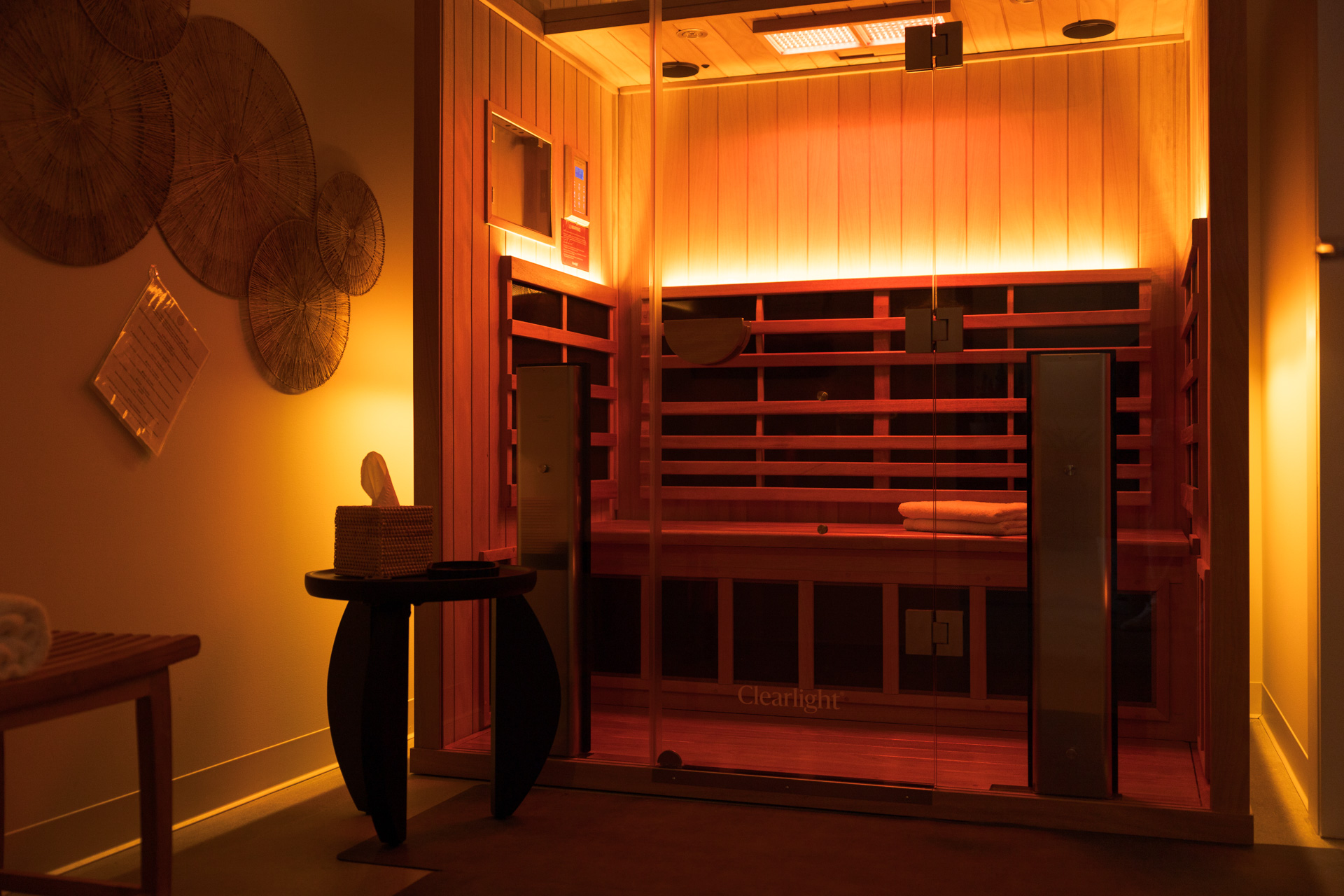
At Saunava, each infrared sauna session is private and preheated before you arrive, giving you room to settle in at your own pace. Most guests spend about 25 to 40 minutes in the sauna during their 50-minute private session.
A Simple Way to Start
You do not need to overhaul your life to make sauna part of your stress-management routine.
Start with two sessions per week. Choose times when you are most likely to need a reset, such as after a demanding workday, following a workout, or before a quieter evening at home.
Pay attention to how you feel afterward and how you sleep that night. Over time, you can adjust your routine based on what helps you feel more steady and restored.
The Bottom Line
Sauna is not a cure for stress or anxiety. But it can meaningfully support the body’s ability to regulate stress, release tension, and recover from chronic overstimulation.
The real value is not in chasing an instant fix. It is in creating a consistent practice that gives your body a chance to slow down, recover, and return to a more balanced state.
At Saunava, sauna is not an add-on. It is a private, practical space to step away from the noise and feel better in your body.
.png)

.svg)