
.svg)
.svg)
.svg)

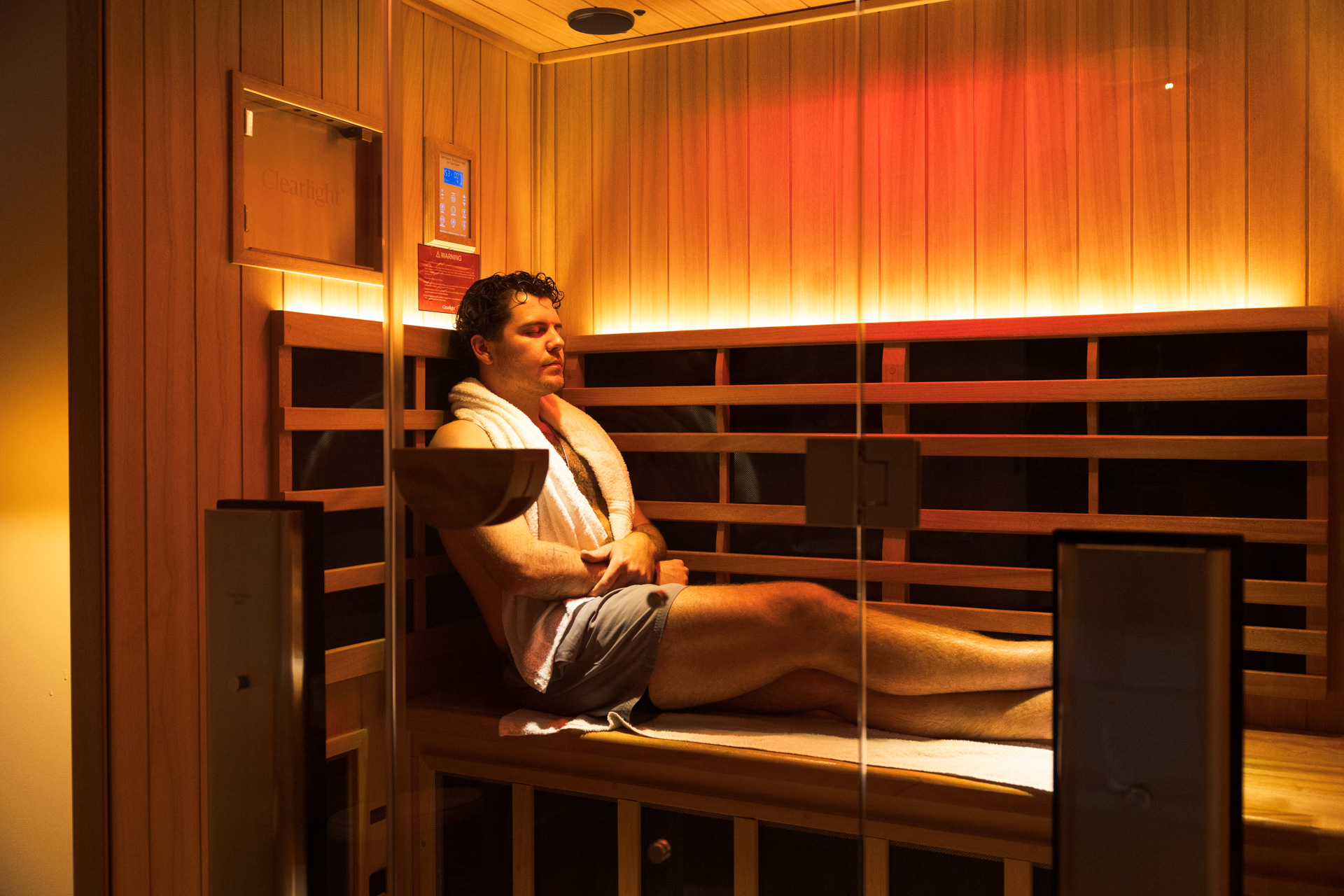
You have probably seen infrared sauna everywhere lately. Friends talk about it. Wellness brands promote it. Social media makes it look like the answer to stress, recovery, sleep, and everything in between.
But the real question is not, “What are the benefits?”
It is, “Is infrared sauna actually worth my time and money?”
That is a fair question. Time is limited. Wellness trends come and go. And when something costs money and takes time out of your week, it should offer more than a nice experience.
Infrared sauna is not a replacement for the basics. It cannot replace sleep, nutrition, movement, or medical care. But it is also more than simple relaxation.
For the right person, it can be a high-leverage tool for stress management, recovery, and nervous system regulation.
What You Are Actually Paying For
An infrared sauna session is not just about heat or sweating.
You are paying for a structured environment that gives your body and mind a break from constant stimulation. You are stepping into a space where the only thing you need to do is sit, breathe, and let your body respond to the heat.
That matters because most people do not create that kind of recovery time on their own.
At home, relaxation often turns into scrolling, answering messages, watching television, or thinking about the next thing on the list. Even when you are technically resting, your mind may still be switched on.
A sauna session creates a boundary. It gives you a set amount of time away from the noise, with a physical experience that encourages your body to slow down.
Is Infrared Sauna Better Than Working Out?
No. Infrared sauna is not better than exercise, and it is not a replacement for it.
Sauna can raise your heart rate and increase circulation, but it does not build muscle, improve strength, or replace cardiovascular training. It also does not provide the same benefits as regular movement, resistance training, or intentional exercise.
Where sauna can help is in supporting your workouts.
Heat can help muscles relax after training. It may help you feel less tight or sore. It can also become part of a recovery routine that makes it easier to stay active consistently.
That is the key difference.
Infrared sauna supports your workouts. It does not replace them.
Is It Just Relaxation?
Infrared sauna does feel relaxing. That is one of the reasons people come back.
But relaxation is the feeling. Regulation is what may be happening underneath it.
During a sauna session, your body responds to heat as a controlled stressor. Your heart rate rises, circulation increases, and your body works to cool itself.
Afterward, many people experience a strong shift toward rest and recovery. Physical tension eases. Thoughts feel quieter. The body has a chance to move out of a constant fight-or-flight state and into a more settled one.
The heat also creates stillness. There is no multitasking. No constant input. No pressure to keep moving.
For people who feel mentally overstimulated, that can be one of the most valuable parts of the experience.
What Results Do People Actually Notice?
Results are personal, and they depend on how consistently you use sauna and what else is happening in your life.
In the short term, many people notice a clearer head, less physical tension, and a calmer mental state after a session. Some leave feeling relaxed. Others feel refreshed and energized.
With consistent use, people may notice better sleep, more stable energy, and improved recovery after workouts or long days.
Over time, sauna may support a stronger ability to manage stress and return to a calmer baseline after demanding situations.
It is important to keep expectations realistic. Infrared sauna is not a magic fix. It is a tool that can support how you feel day to day when it becomes part of a regular routine.
Is Infrared Sauna a Luxury or a Necessity?
Infrared sauna is not a necessity in the same way that sleep, nutrition, movement, and medical care are necessities.
You can live a healthy life without it.
But for someone who feels constantly stressed, mentally on, physically tense, or unable to fully shut down, it can become one of the most useful tools in their routine.
The value is not that sauna replaces the basics. The value is that it can make the basics easier to maintain.
If you sleep better, recover better, and feel less overwhelmed, you may be more likely to move your body, prepare meals, show up for work, and take care of yourself consistently.
The Time Return
A typical sauna session may take 30 to 45 minutes of actual sauna time. At Saunava, private infrared sauna sessions are 50 minutes, giving you room to settle in and choose the amount of time that feels right for your body.
That is a real commitment. But it is also worth considering what that time might otherwise become.
An hour of scrolling on your phone. Half-focused relaxing at home. More time spent carrying the same stress from one part of your day into the next.
Sauna is intentional recovery time. It is not passive time-wasting.
For many people, that is the return. They leave feeling more clear-headed, more settled, and more able to be present for the rest of their day.
The Money Return
Infrared sauna is not cheap, and it should not be positioned as something everyone needs to buy.
The better question is whether it provides enough value for the way you use it.
A sauna session can be compared with other forms of self-care and recovery, such as a massage, a night out, or other wellness services. The difference is that sauna can offer both physical and mental support in one session.
The value grows when you use it consistently.
A single session may feel good. A regular routine can become a reliable way to manage stress, support recovery, and protect time for yourself.
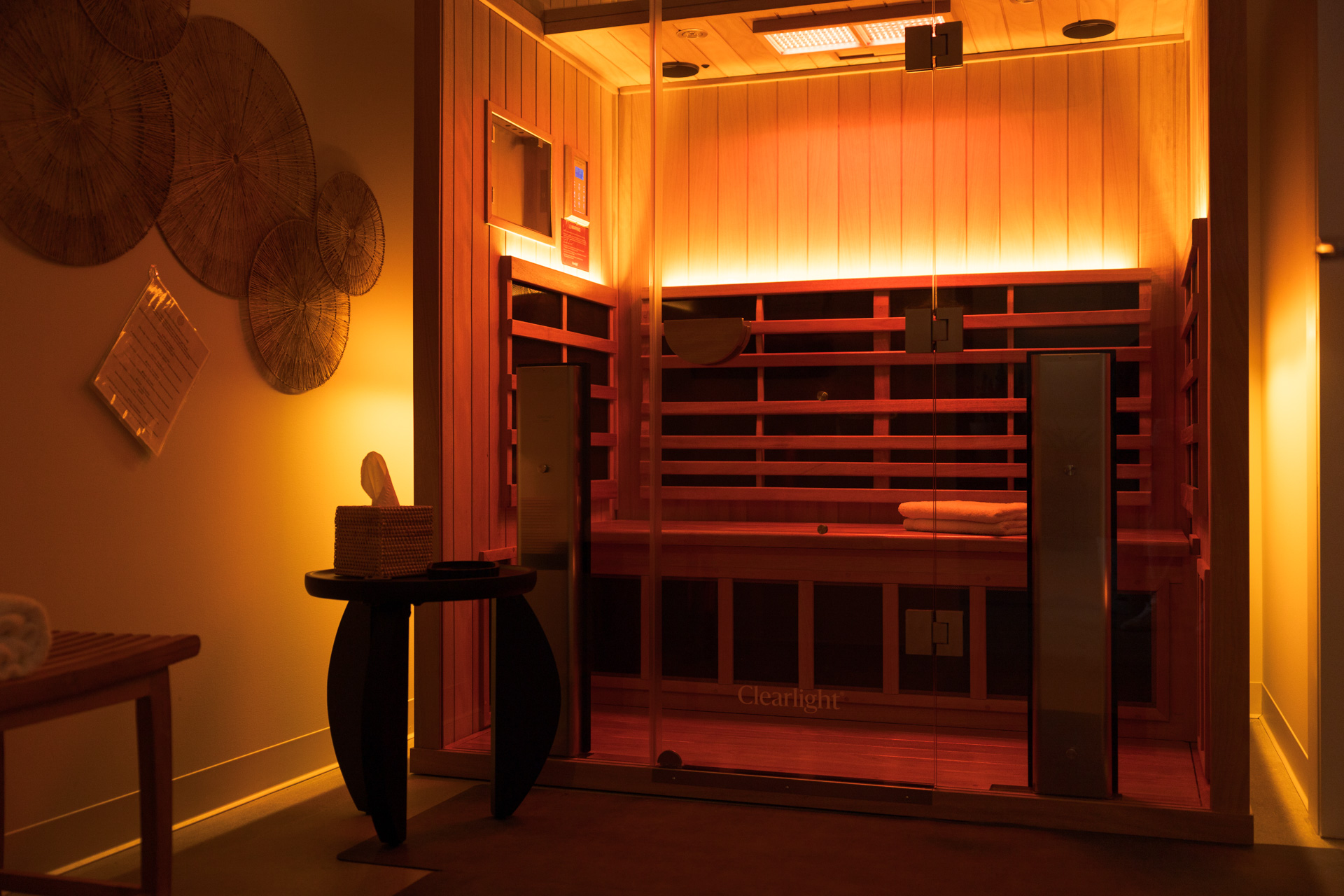
At Saunava, private sessions are designed to be practical, not performative. Your sauna is preheated before you arrive, and you have the room to yourself, whether you come alone or bring a guest.
Who Infrared Sauna May Be Worth It For
Infrared sauna may be especially worthwhile for people who feel like they are always carrying too much.
It can be a strong fit for:
- Busy professionals who struggle to switch off after work
- People who feel mentally drained or overstimulated
- Active people who want a more consistent recovery routine
- Anyone who carries stress as muscle tension
- People who want a structured way to make time for themselves
You do not need to have a complicated wellness routine to benefit. You just need to be willing to use it consistently enough to notice how it affects you.
Who It Might Not Be Worth It For
Infrared sauna may not be the right investment for everyone.
If you already manage stress well, have a recovery routine you genuinely enjoy, and do not feel like sauna would add much to your life, it may not be necessary.
It may also not be worth it if you know you will rarely use it or if you expect one session to create a major transformation.
Sauna works best when it is treated as a repeatable practice, not a one-time fix.
Why People Keep Coming Back
People do not stick with sauna only because of a list of benefits.
They come back because of how they feel afterward.
More clear-headed. Less tense. Less overwhelmed. More in control of their energy and attention.
In a world that keeps asking for more from you, having a place to step away and reset can be more useful than it sounds.
The Bottom Line
Infrared sauna is not a magic fix. It does not replace sleep, nutrition, exercise, or medical care.
But it is not just relaxation either.
It is a practical tool for stress management, recovery, and giving your nervous system a chance to settle. If you are already working on the basics, infrared sauna can be the kind of habit that upgrades how you feel day to day.
At Saunava, every infrared sauna session is private, preheated, and built around one simple goal: helping you feel better in your body.
.png)

.svg)