
.svg)
.svg)
.svg)

If you are trying contrast therapy for the first time, one question usually comes up quickly: should you sauna before or after a cold plunge?
The order matters because heat and cold create different responses in the body. One warms you up, increases circulation, and helps your muscles relax. The other creates an immediate, energizing stress response that can leave you feeling alert and clear-headed.
For most people, most of the time, the best place to start is sauna first, then cold plunge.
But the right order can also depend on what you want from your session. Are you looking for recovery after a workout? A mental reset in the morning? A calmer evening and better sleep?
Contrast therapy is not just about moving between hot and cold. It is about using each experience with intention.
What Is Contrast Therapy?
Contrast therapy is the practice of alternating between heat and cold exposure.
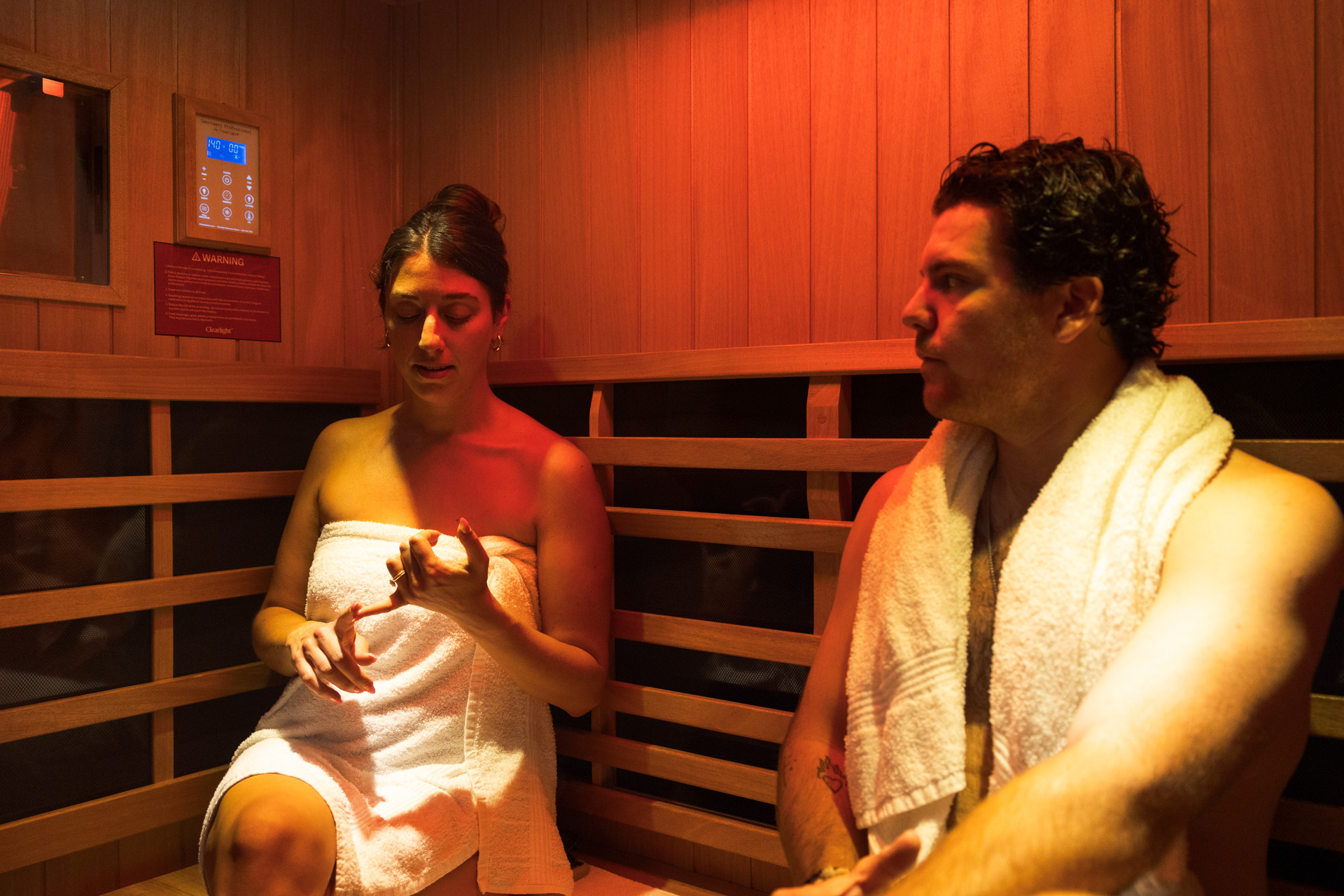
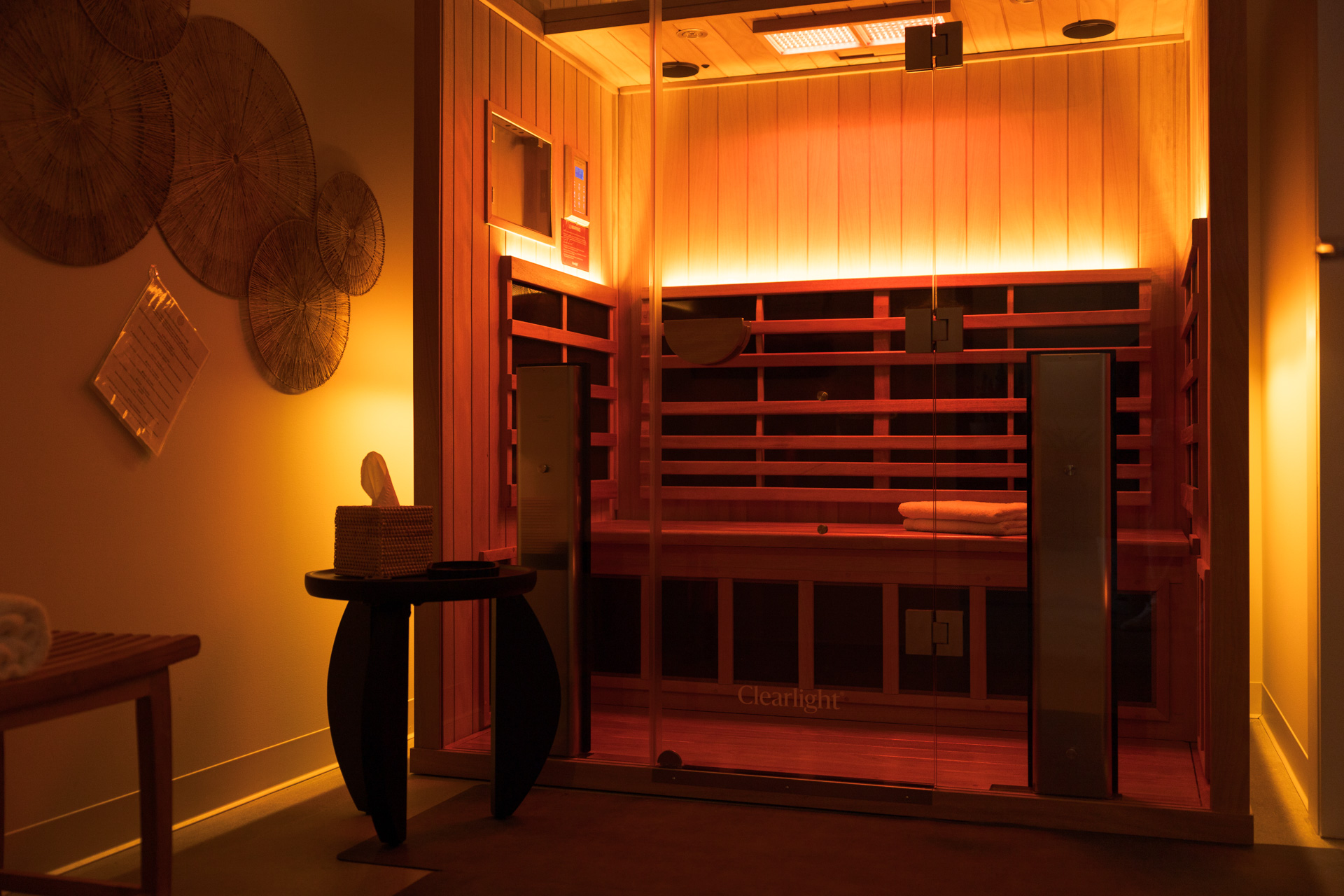
At Saunava, contrast therapy means moving between a private infrared sauna and cold plunge in the same room, so you can go at your own pace without interruption.
The practice has roots in Nordic and Finnish sauna traditions, where people have long used heat followed by cold water or outdoor air as part of recovery and daily life. Today, people use contrast therapy to support recovery, circulation, stress management, and mental clarity.
The basic idea is simple: heat and cold create opposite physical responses.
Heat expands blood vessels and raises your heart rate. Cold causes blood vessels to tighten and creates a quick alertness response. Moving between the two can create a strong shift in how your body feels.
What Heat and Cold Do to the Body
During a sauna session, your body temperature rises. Your heart rate increases, circulation improves, and blood vessels widen. This is called vasodilation.
Heat can help muscles feel looser and can create a sense of physical and mental relaxation. It also gives your body a controlled challenge, which can support recovery and stress regulation when used consistently.
A cold plunge creates the opposite response. Cold causes blood vessels to narrow, known as vasoconstriction. It can also trigger the release of norepinephrine, a chemical connected to alertness, focus, and attention.
When you move from heat to cold, your body experiences a noticeable contrast. That shift can support circulation and leave you feeling refreshed, clear-headed, and awake.
The Standard Approach: Sauna First, Cold Plunge After
For most people, sauna first and cold plunge second is the most practical and effective order.
Starting with heat gives your body time to warm up. Your muscles relax, your circulation increases, and your core temperature rises. Then, when you move into the cold plunge, the contrast feels more noticeable and your body has a stronger response.
You are priming the body before stressing it.
This order also tends to make the cold plunge feel more manageable. When you are already warm, stepping into cold water can feel less intimidating than starting your session cold.
For a general recovery or reset routine, sauna first is a strong place to begin.
Why Sauna First Works So Well
Heat prepares your body for the cold.
A sauna session gives you time to settle in, loosen up, and create a thermal buffer before you enter the plunge. Your body is warm, your circulation is elevated, and your muscles are more relaxed.
Then, the cold creates a quick shift. Blood vessels move from expanded to narrowed, and your body responds to the change in temperature.
This contrast is one reason people often describe the experience as feeling both calming and energizing. The sauna helps you slow down. The cold helps you wake up.
Starting with sauna can also make it easier to keep your cold plunge controlled. Instead of treating cold exposure as something to push through, you can use it as a short, intentional part of a larger recovery routine.
What Happens If You Cold Plunge First?
Cold plunge first can still be useful. It simply creates a different experience.
Starting with cold often produces an immediate burst of alertness. Your breathing may become more noticeable, your body feels awake, and your mind may sharpen quickly.
Following cold with sauna can then feel deeply relaxing. The warmth can help you settle after the intensity of the plunge.
However, cold first may not create the same recovery-focused contrast as sauna first. Your body begins in a more activated state, and the session may feel more focused on energy and mental challenge than on relaxation and recovery.
That does not make cold first wrong. It just means the order should match your goal.
When Cold First May Make Sense
Cold first may be a good option if you are looking for a quick energy boost.
Some people prefer cold exposure in the morning because it helps them feel awake and focused. Others may use it before a workout or demanding day when they want a mental reset.
Cold first can also be appealing if your goal is to practice staying calm during discomfort. The experience requires focus, steady breathing, and the ability to settle your body in a challenging moment.
For most people, though, cold first is better treated as a goal-specific option rather than the default contrast therapy routine.
Should You Repeat Multiple Rounds?
You can repeat sauna and cold plunge cycles if your body feels good and you have enough time.
A common starting point is one or two rounds. With experience, some people choose to complete two or three rounds.
A simple round might look like this:
- Sauna for 10 to 20 minutes
- Cold plunge for two to three minutes
- Rest for a few minutes if needed
- Repeat if you feel comfortable
At Saunava, most guests complete one or two rounds during a 60-minute contrast therapy session. There is no prize for doing more. The goal is to leave feeling better, not drained.
What Should You End On?
The best way to end your session depends on how you want to feel afterward.
End on cold if you want to feel alert, energized, and ready to move into the rest of your day. This can be a good choice for a morning session, a midday reset, or a day when you need more focus.
End on heat if you want to feel relaxed, calm, and ready to wind down. This can be a better choice later in the day or when you are using sauna to support sleep and recovery.
If you are unsure, start with sauna first, cold second, and pay attention to how you feel afterward. Your body will help you learn which ending works best for your routine.
A Few Safety Notes
Heat and cold are both stressors. They can be helpful when used thoughtfully, but more intensity is not always better.
Stay hydrated before and after your session. Start with shorter sauna and cold plunge times, especially if you are new to either experience. Step out if you feel dizzy, unwell, overly fatigued, or unable to regulate your breathing.
If you have cardiovascular concerns, are pregnant, take medications that affect heat tolerance or blood pressure, or have another medical condition that may affect your response to heat or cold, speak with a healthcare professional before trying contrast therapy.
The goal is controlled exposure, not extreme exposure.
A Simple Contrast Therapy Routine
For most people, this is a practical place to start:
- Sauna for 15 to 20 minutes
- Cold plunge for two to three minutes
- Rest for five minutes if needed
- Repeat one or two times
- End on cold for energy or heat for relaxation
At Saunava, your contrast therapy session gives you 60 minutes in a private room with both an infrared sauna and cold plunge. You can move between heat and cold at your own pace, with room to adjust based on how you feel that day.
The Bottom Line
The order is not random. Sauna and cold plunge create different physiological responses, and the sequence can shape how your body feels afterward.
For most people, sauna first and cold plunge second is the best general approach. Heat prepares the body, cold creates the contrast, and repeating the cycle can support recovery, circulation, and a clearer mental reset.
But your goal matters too.
Start with heat, move to cold, and adjust based on whether you want more energy, more relaxation, or a better recovery routine.
.png)

.svg)